
In the grand, absurd theater of corporate speak, “collaboration” is the magic word that’s supposed to solve all problems, bridge all gaps, and, most importantly, cover all tracks. It’s the corporate world’s version of “abracadabra,” except instead of pulling rabbits out of hats, we’re attempting to conjure deadlines out of thin air.
Let’s set the scene: a quarterly planning meeting that corrals 350 people once every 12 weeks, filling the air with the tension of missed deadlines and commitments, then shifting to future projects about which we have no clue how to execute. The spotlight turns to me, the Grumpy Middle Manager, tasked with the impossible mission of acknowledging a colossal mess-up without actually acknowledging it. Enter the word “collaboration,” stage left.
“Team ABC’s partnership and collaboration are crucial to us,” I proclaim, with the solemnity of a priest at a wedding, knowing full well that what I really mean is, “Team ABC, you’ve dropped the ball so hard, we’re now scrambling to cover both of our asses.”
But here’s the kicker: Team ABC is on the call, and in the grand tradition of corporate kabuki, we’re all playing our parts. They, the remorseful yet unscathed party; me, the messenger who dares not shoot themselves by calling it as it is; and the audience, a collective of nodding heads, fully aware of the drama unfolding, yet bound by the unspoken rule of “thou shalt not acknowledge the elephant in the room.”
How do we call out another team’s BS without REALLY calling out their BS?
This is the beauty of “collaboration” in the corporate lexicon. It’s a beautifully crafted, one-size-fits-all solution to any problem. Missed a deadline? Lack of collaboration. Project failure? Definitely a collaboration issue. Coffee machine broken? You guessed it — if only there was more collaboration.
So, here’s to “collaboration,” the most beloved scapegoat in the corporate world. It’s the perfect way to say everything without saying anything, to point fingers without looking like you’re pointing fingers, and to ensure that everyone knows exactly who messed up, without the messy business of accountability.
After being asked four times in different ways why my team didn’t deliver, the meeting finally adjourned. Only later did I discover that none of the ABC team members were actually on the call.
But until then, we’ll keep using our favorite buzzword, hoping that maybe, just maybe, in the next planning session, it’ll magically start to mean something again.

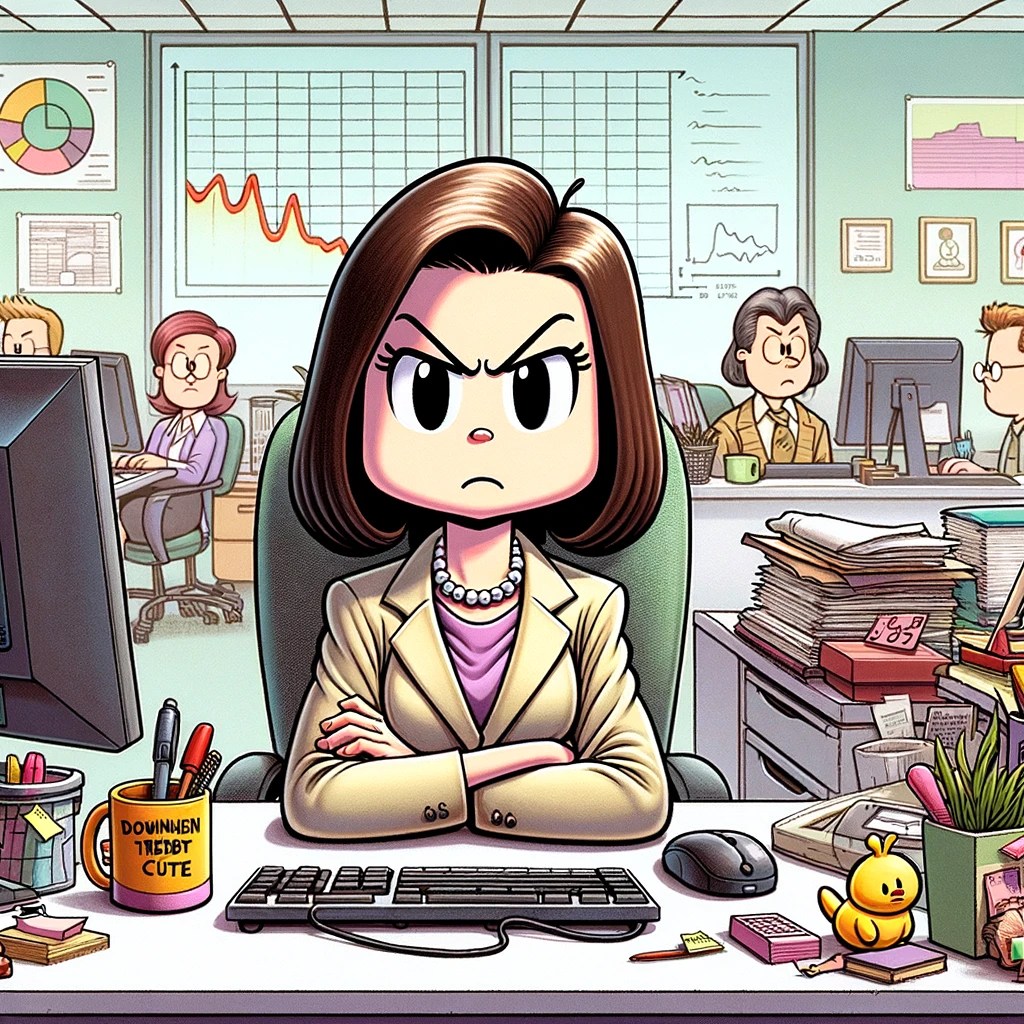
 Grumpy Middle Manager